 Virginia Tech Dendrology
smooth sumac Anacardiaceae Rhus
glabra L.


 symbol: RHGL
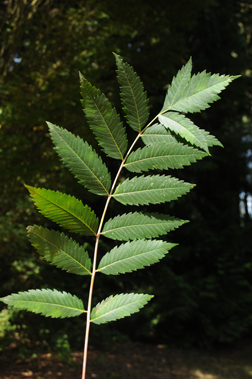
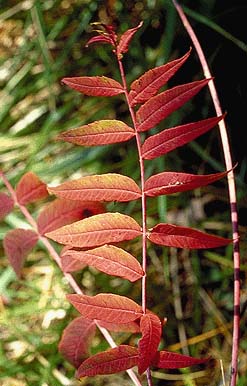
Leaf: Alternate, pinnately compound, 12 to 18 inches long, 11 to 31 lanceolate leaflets per leaf, each 2 to 4 inches long with a serrated margin, dark green above, paler and finely hairy below.
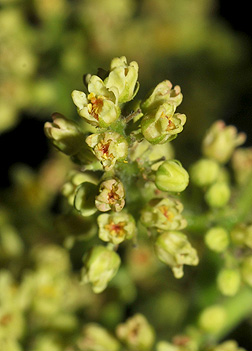
Flower: Species is dioecious; small, with pale yellow petals, borne in a dense upright cluster up to 8 inches long, appearing in mid to late summer.
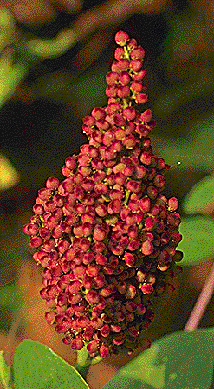
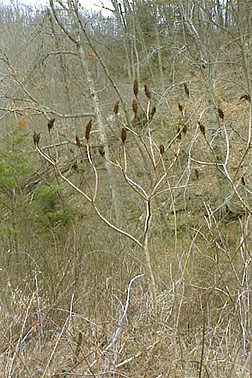
Fruit: A small (1/8 inch) reddish, round, finely hairy drupe borne in dense upright cluster. The panicles typically droop when mature in the fall and persist into winter.
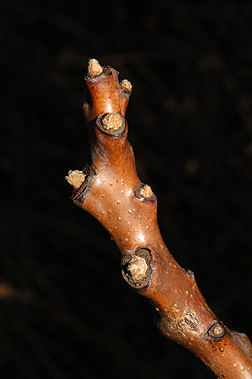
Twig: Stout, lacking hairs and often with a bluish glaucous bloom; buds are small, rounded and covered with light brown hairs, nearly encircled by leaf scar.
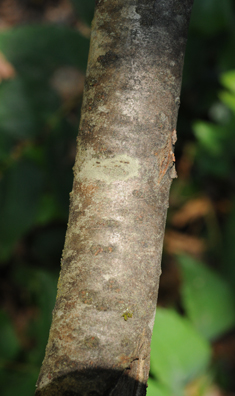
Bark: Brown-gray and smooth, with numerous lenticels, developing scaly ridges with age.
Form: A shrub or small tree up to 10 feet with a short or multi-stemmed trunk and wide spreading, open crown.
Looks like: shining sumac
- staghorn sumac
- tree-of-Heaven
- poison sumac
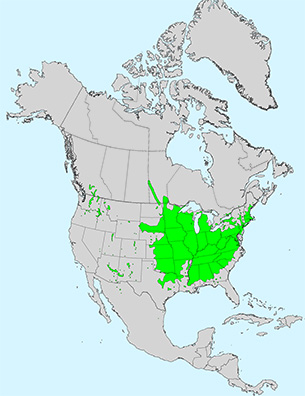
Additional Range Information: Rhus glabra is native to North America. Range may be expanded by planting. Download the full-size PDF map.
More Information: Fall Color
External Links: USDAFS FEIS Silvics - USDA Plants Database - USDAFS Forest Products Lab
All material 2025 Virginia Tech Dept. of Forest Resources and Environmental Conservation; Photos and text by: John Seiler, Edward Jensen, Alex Niemiera, and John Peterson; Silvics reprinted from Ag Handbook 654; range map source information