 Virginia Tech Dendrology
black ash Oleaceae Fraxinus
nigra Marshall

 symbol: FRNI
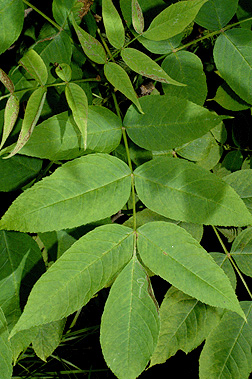
Leaf: Opposite, pinnately compound, 7 to 11 sessile, serrated leaflets, whole leaf 10 to 14 inches long, dark green above, lighter below with tufts of brown hair.
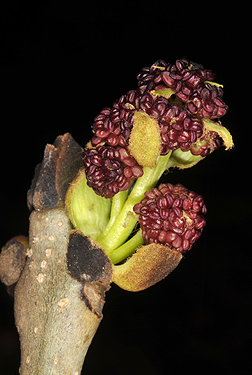
Flower: Species is monoecious or with separate male and female trees; female flowers in loose panicles; males in tighter dense clusters, both appear before the leaves in early spring.
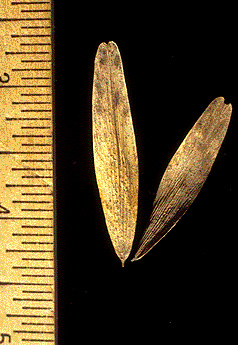
Fruit: Samara with a wide wing and an indistinct seed cavity, 1 to 1 1/2 inches long, borne in hanging clusters.
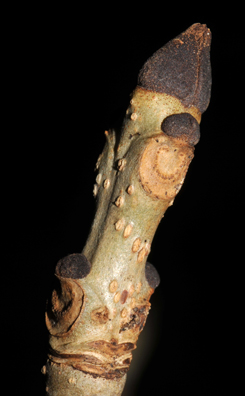
Twig: Stout, light brown to gray, opposite buds are nearly black, first lateral buds appear some distances below terminal, nearly circular leaf scar.
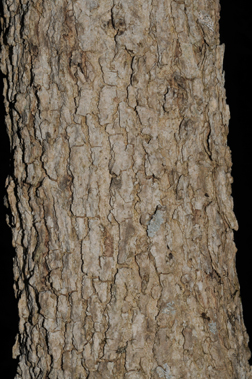
Bark: At first smooth, but becomes scaly to corky, gray-brown.
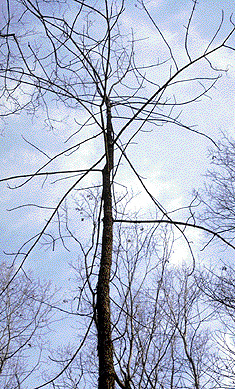
Form: Small to medium sized tree reaching up to 40 to 50 feet tall, usually with a slender crown.
Looks like: green ash
- white ash
- blue ash
- boxelder
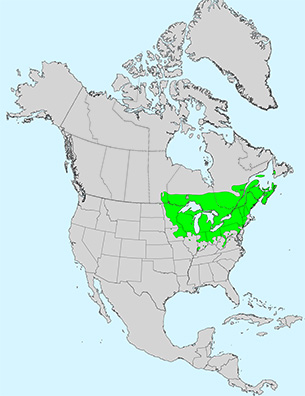
Additional Range Information: Fraxinus nigra is native to North America. Range may be expanded by planting. Download the full-size PDF map.
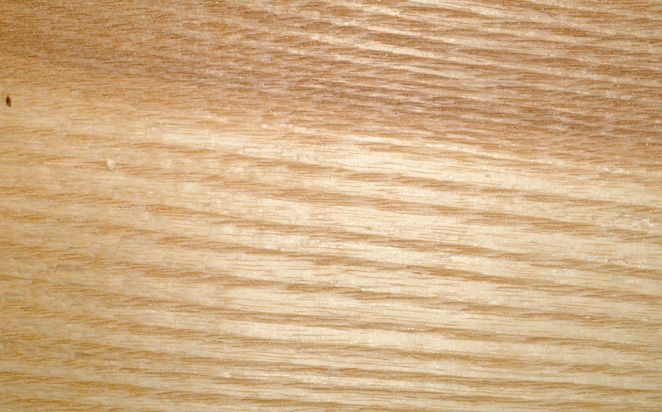
More Information: Wood
External Links: USDAFS Silvics of North America - USDAFS FEIS Silvics - USDA Plants Database - USDAFS Forest Products Lab
All material 2025 Virginia Tech Dept. of Forest Resources and Environmental Conservation; Photos and text by: John Seiler, Edward Jensen, Alex Niemiera, and John Peterson; Silvics reprinted from Ag Handbook 654; range map source information