 Virginia Tech Dendrology
Siberian elm Ulmaceae Ulmus
pumila L.


 symbol: ULPU
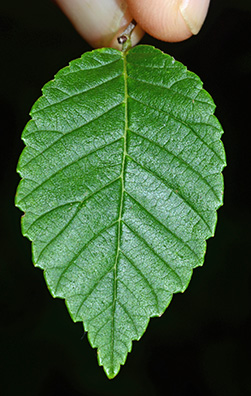
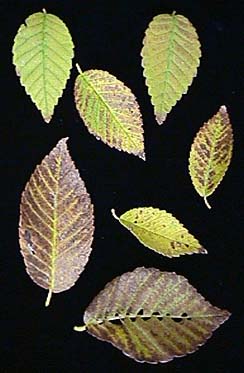
Leaf: Alternate, simple, elliptical to ovate, 1 to 2 1/2 inches long, singly serrated margin, nearly an equilateral base, dark green and smooth above, paler and smooth below.
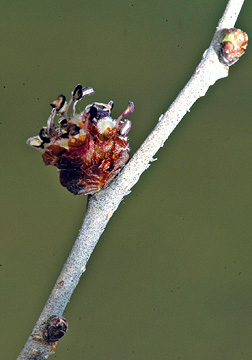
Flower: Species is monoecious; small, pale green clusters occurring in early spring before leaves.
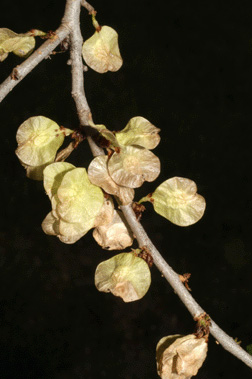
Fruit: Thin, wafer-like samara, nearly round, notched at top, 1/2 inch in diameter, initially pale green, later turning light brown when ripe in spring.
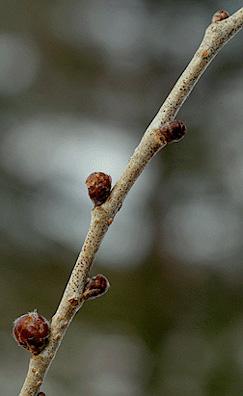
Twig: Slender, slightly zigzag, grayish tinged with green; buds are quite small (1/8 inch), dark reddish-gray, round, flower buds are considerably larger.
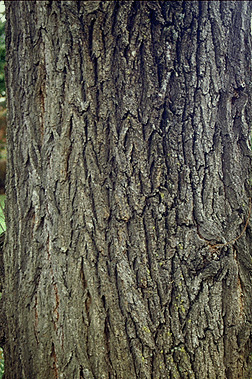
Bark: Irregularly furrowed, light grayish brown, often streaked with lighter stains caused by bacterial wetwood and associated "bleeding".
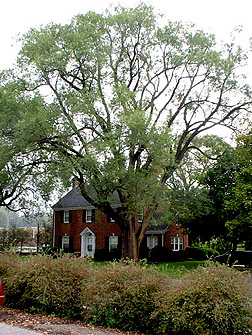
Form: A medium sized tree reaching up to 70 feet tall; typically a very bad looking tree due to considerable limb breakage and sprouting along the trunk.
Looks like: Chinese elm
- slippery elm
- Japanese zelkova
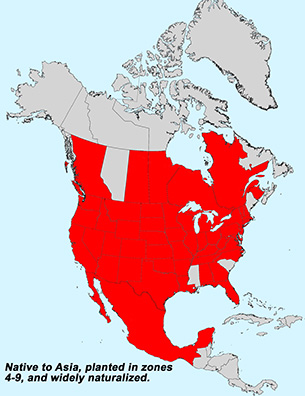
Additional Range Information: Ulmus pumila is planted in the USDA hardiness zones shown above and may seed into the landscape. Download the full-size PDF map.
More Information: Fall Color
External Links: USDA Plants Database - Horticulture Information
All material 2021 Virginia Tech Dept. of Forest Resources and Environmental Conservation; Photos and text by: John Seiler, Edward Jensen, Alex Niemiera, and John Peterson; Silvics reprinted from Ag Handbook 654; range map source information