 Virginia Tech Dendrology
corkscrew willow Salicaceae Salix
matsudana Koidzumi

 symbol: SAMA13
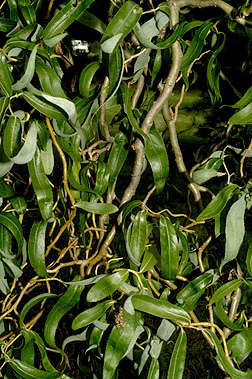
Leaf: Alternate, simple, lanceolate, finely serrated, 3 to 5 inches long, often twisted, shiny green above, nearly white beneath.
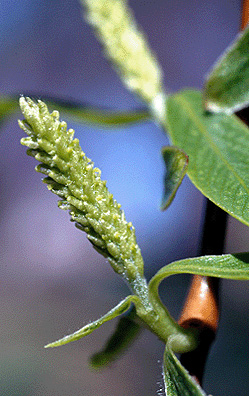
Flower: Species is dioecious; 1 to 1 1/2 inch long catkins, pale yellow-green, fuzzy, appearing in early spring with the leaves.
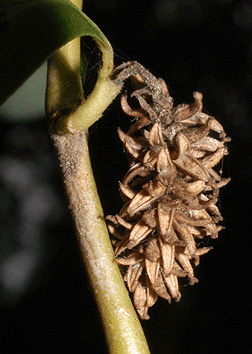
Fruit: A 1 inch cluster of small, light brown capsules containing numerous small fuzzy seeds, ripen in late spring, somewhat persistent.
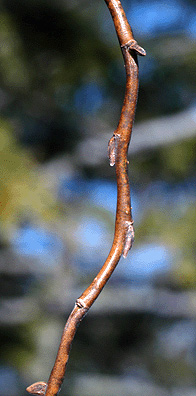
Twig: Slender, olive-green when young, turning gray-brown when mature, contorted and twisted growth habit; buds appressed, pointed and gray-brown, with a single cap-like scale.
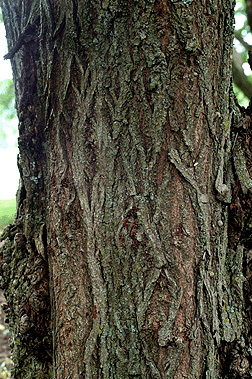
Bark: Smooth gray-brown with diamond shaped lenticels, later becoming shallowly fissured and rough.
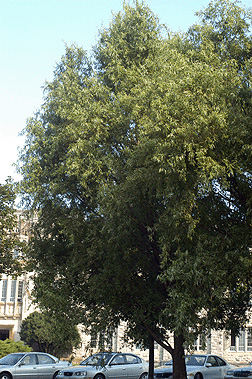
Form: Upright tree reaching 40 feet tall (most only to 30) with a round, broad crown of drooping twisted branches.
Looks like: weeping willow
- black willow
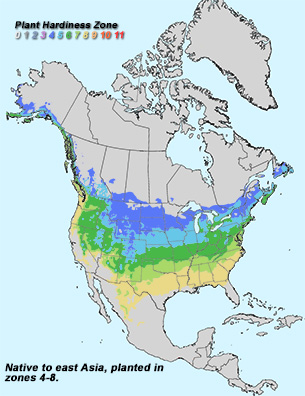
Additional Range Information: Salix matsudana is planted in the USDA hardiness zones shown above and is not known to widely escape cultivaton. Download the full-size PDF map.
External Links: USDA Plants Database - Horticulture Information
All material 2025 Virginia Tech Dept. of Forest Resources and Environmental Conservation; Photos and text by: John Seiler, Edward Jensen, Alex Niemiera, and John Peterson; Silvics reprinted from Ag Handbook 654; range map source information