 Virginia Tech Dendrology
citrus Rutaceae Citrus
spp. L.

 symbol: CITRU2
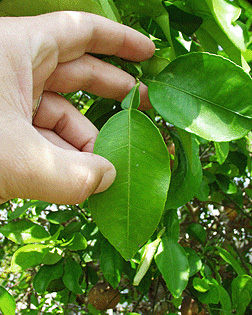
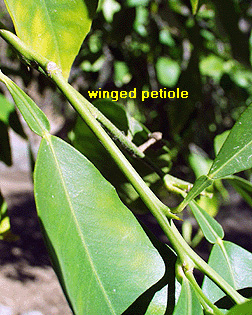
Leaf: Alternate, simple, evergreen, entire or toothed, the petioles often winged, aromatic when crushed, dark and shiny above, paler below.
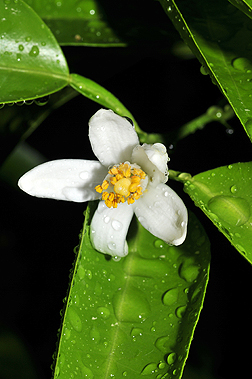
Flower: Fragrant, white, usually 5 long petals.
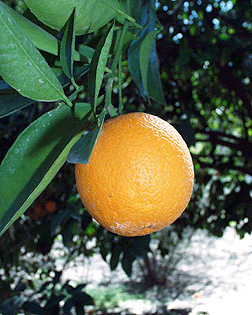
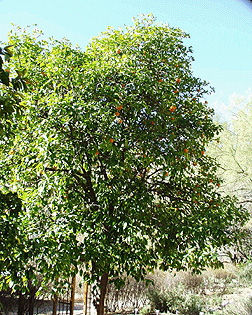
Fruit: Generally round or oval, covered in a leathery skin, fragrant, the fleshy inside segmented. Included in this genus are the familiar and edible oranges, grapefruits, lemons, limes, and tangerines.
Twig: New growth is usually green and armed with sharp stiff thorns.
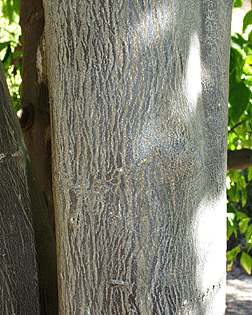
Bark: Generally thin and tight, gray-brown to red-brown, variously lined or grooved.
Form: Small trees or shrubs with spreading crowns.
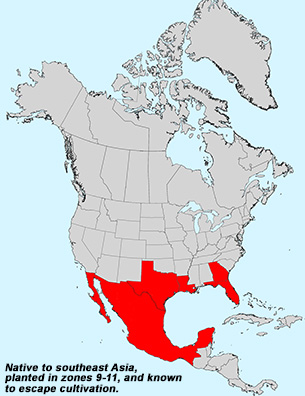
Additional Range Information: Citrus spp. is planted in the USDA hardiness zones shown above and may seed into the landscape. Download the full-size PDF map.
External Links: USDA Plants Database - Horticulture Information
All material 2025 Virginia Tech Dept. of Forest Resources and Environmental Conservation; Photos and text by: John Seiler, Edward Jensen, Alex Niemiera, and John Peterson; Silvics reprinted from Ag Handbook 654; range map source information