 Virginia Tech Dendrology
linden viburnum Caprifoliaceae Viburnum
dilatatum Thunb.

 symbol: VIDI80
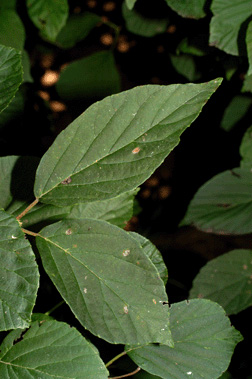
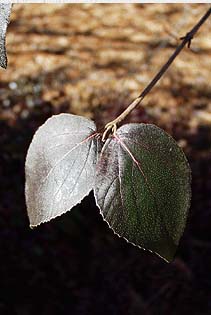
Leaf: Opposite, simple, broadly ovate to elliptical, 3 to 5 inches long, coarsely toothed, pubescent on both surfaces, dark green, wrinkled surface.
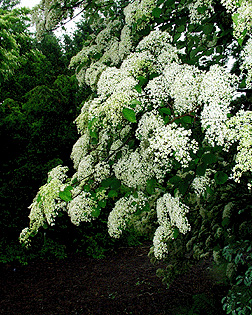
Flower: Individuals small, creamy white, displayed in showy 3 to 5 inch flat-topped clusters, usually flowers very heavily in late spring to early summer.
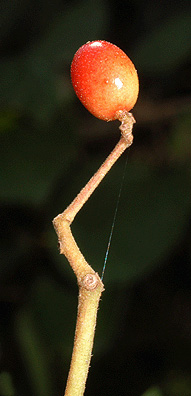
Fruit: Bright red drupes, 1/3 inch long, ripening in late summer, persist into the winter where they appear as bright red raisins. In abundance they can be quite showy.
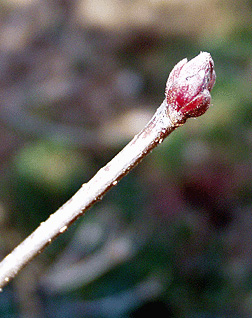
Twig: Slender, gray-brown, fuzzy, with small orange lenticels, buds are pubescent at tips and reddish brown.
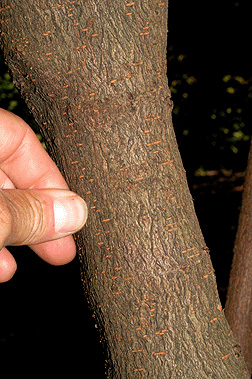
Bark: Essentially smooth, gray-brown with prominent orange lenticels.
Form: Multi-stemmed shrub up to 10 feet tall and nearly as wide.
Looks like: doublefile viburnum
- Koreanspice viburnum
- Burkwood viburnum
- wayfaringtree viburnum
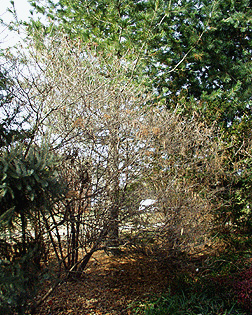
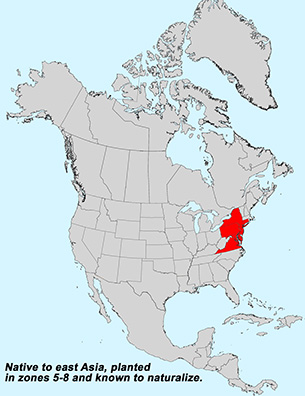
Additional Range Information: Viburnum dilatatum is planted in the USDA hardiness zones shown above and may seed into the landscape. Download the full-size PDF map.
More Information: Fall Color
External Links: USDA Plants Database
All material 2025 Virginia Tech Dept. of Forest Resources and Environmental Conservation; Photos and text by: John Seiler, Edward Jensen, Alex Niemiera, and John Peterson; Silvics reprinted from Ag Handbook 654; range map source information