 Virginia Tech Dendrology
black locust Fabaceae Robinia
pseudoacacia L.


 symbol: ROPS
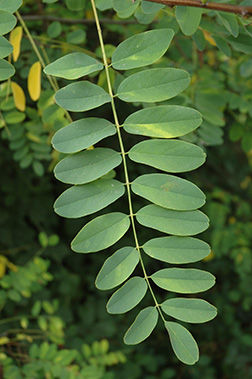
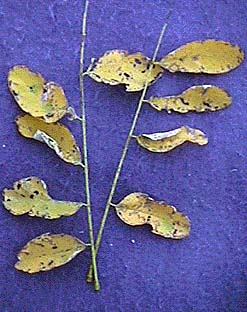
Leaf: Alternate, pinnately compound, with 7 to 19 leaflets, 8 to 14 inches long. Leaflets are oval, one inch long, with entire margins. Leaves resemble sprigs of grapes; green above and paler below.
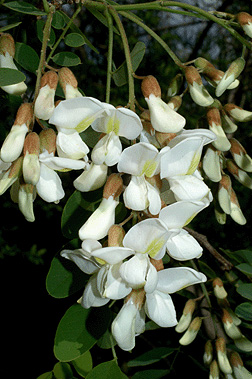
Flower: Perfect, showy and fragrant, white, 1 inch long and pea-like, borne in long (5 inches) hanging clusters, appear in mid to late spring.
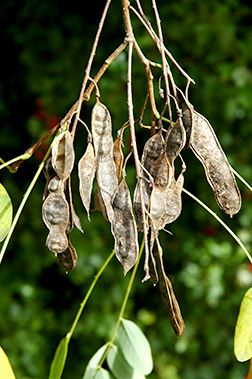
Fruit: Flattened legume, light brown, 2 to 4 inches long; containing 4 to 8 kidney-shaped, smooth, red-brown seeds, ripen in the fall.
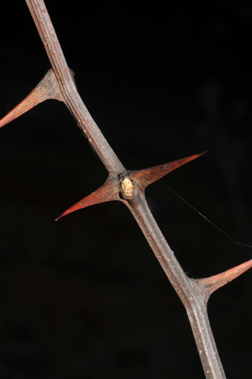
Twig: Zigzag, somewhat stout and angular, red-brown in color, numerous lighter lenticels. Paired spines at each leaf scar (often absent on older or slow growing twigs); buds are submerged beneath the leaf scar.
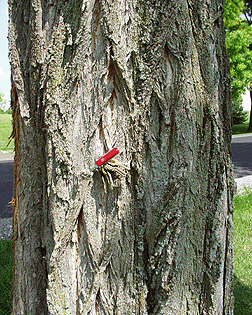
Bark: Gray or light brown, thick and fibrous, heavily ridged and furrowed, resembles a woven rope.
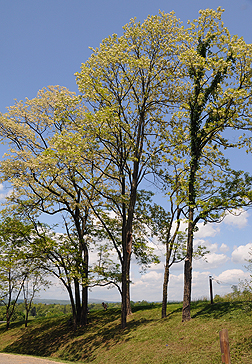
Form: A medium sized tree to 70 feet, with a relatively straight trunk and a crown of crooked branches. Often forms thickets by root suckering.
Looks like: bristly locust
- New Mexican locust
- honeylocust
- common pricklyash
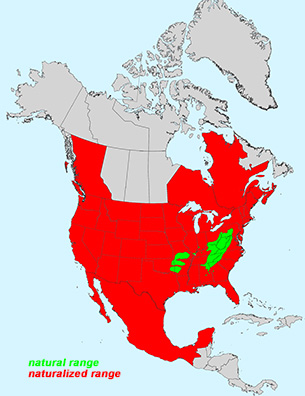
Additional Range Information: Robinia pseudoacacia is native to North America. Range may be expanded by planting. Download the full-size PDF map.
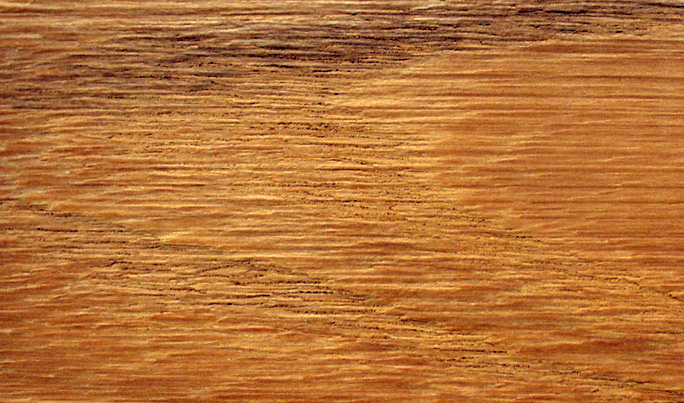
More Information: Fall Color - Wood
External Links: USDAFS Silvics of North America - USDAFS FEIS Silvics - USDA Plants Database - Horticulture Information - USDAFS Forest Products Lab
All material 2021 Virginia Tech Dept. of Forest Resources and Environmental Conservation; Photos and text by: John Seiler, Edward Jensen, Alex Niemiera, and John Peterson; Silvics reprinted from Ag Handbook 654; range map source information