 Virginia Tech Dendrology
umbrella magnolia Magnoliaceae Magnolia
tripetala (L.) L.

 symbol: MATR
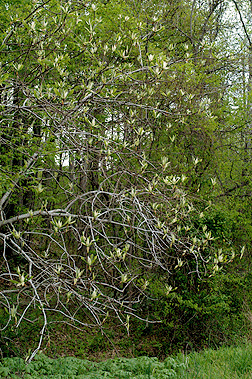
Leaf: Alternate, simple, very large, 12 to 24 inches long, lacking "ear-lobes" at base, margin entire, mostly obovate, green and shiny above, paler below, often crowded near ends of twig.
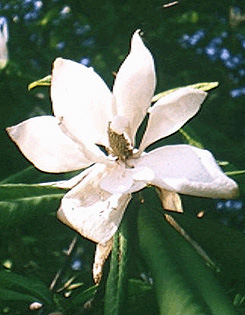
Flower: Species is monoecious; very large and showy, inner petals creamy white (3 to 5 inches), outer petals greenish white, unpleasant odor, appearing with the leaves.
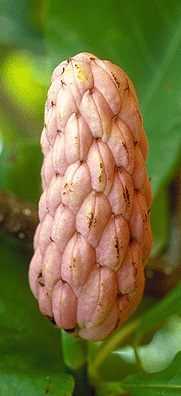
Fruit: Cone-like, 4 to 6 inches long, green turning pink when mature, later turning brown, individual seeds pink to red, matures in late summer to early fall.
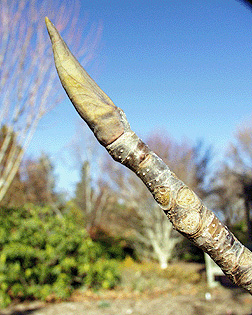
Twig: Stout, green turning to brown, lighter lenticels, swollen at base of each year's growth; terminal buds large (1 to 2 inches long), green turning to brownish purple, often with a white bloom, sometimes curved.
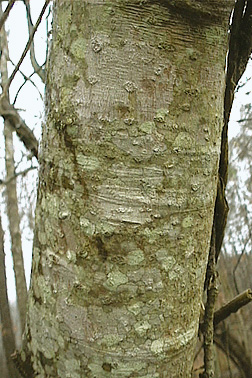
Bark: Thin, gray, smooth but often with numerous raised lenticels.
Form: Small tree to 40 feet, often with several trunks, narrow crown.
Looks like: cucumbertree
- Fraser magnolia
- bigleaf magnolia

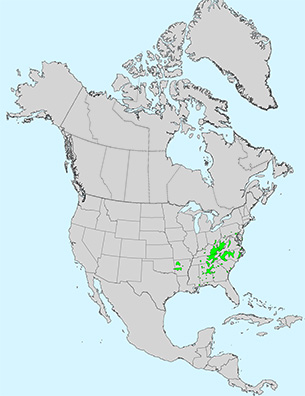
Additional Range Information: Magnolia tripetala is native to North America. Range may be expanded by planting. Download the full-size PDF map.
External Links: USDA Plants Database - USDAFS Forest Products Lab
All material 2025 Virginia Tech Dept. of Forest Resources and Environmental Conservation; Photos and text by: John Seiler, Edward Jensen, Alex Niemiera, and John Peterson; Silvics reprinted from Ag Handbook 654; range map source information