 Virginia Tech Dendrology
gray birch Betulaceae Betula
populifolia Marshall


 symbol: BEPO
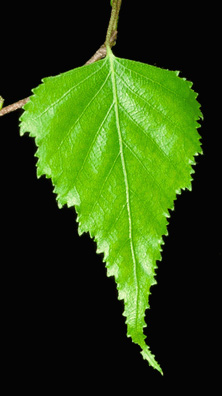
Leaf: Alternate, simple, pinnately-veined, triangular with a very elongated acuminate tip, 2 to 3 inches long, doubly serrate margin, green above and paler below.
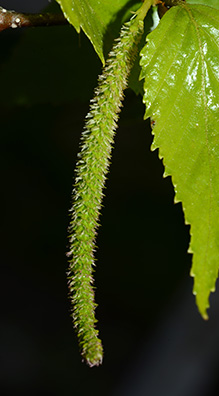
Flower: Species is monoecious; preformed male catkins near the end of the twig, 3/4 inch long, usually single; female upright, 1/2 inch long; appear or elongate (males) in early spring.
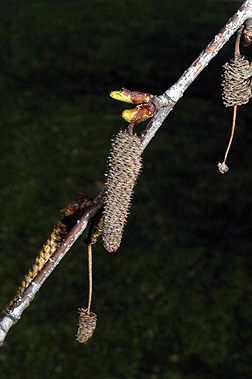
Fruit: Cone like, cylindrical, 3/4 inch long, deciduous at maturity, releasing tiny 2-winged nutlets. Matures in autumn, disperses over winter.
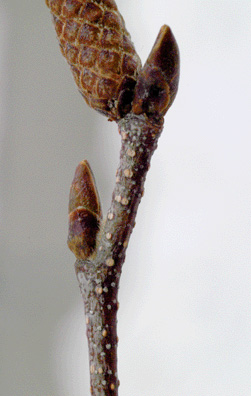
Twig: Slender, orange-brown to gray in color with warty, raised lenticels that give the twig a rough feel; buds are slender, pointed, green and brown, terminal bud is lacking.
Bark: Reddish brown with numerous lighter lenticels on very young stems, later turning gray to white and very chalky; remains smooth and generally does not peel.
Form: Small tree rarely over 30 feet tall typically with multiple trunks and a limby bole. The crown is irregular in shape with somewhat drooping slender branches.
Looks like: river birch
- paper birch
- European weeping birch
- Himalayan white birch
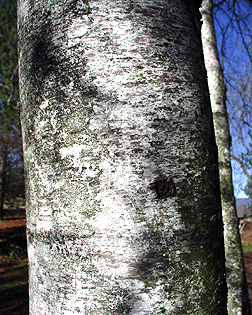
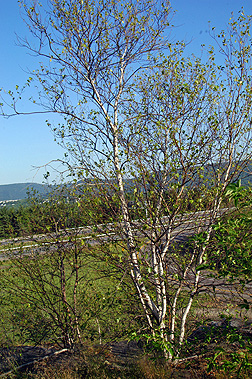
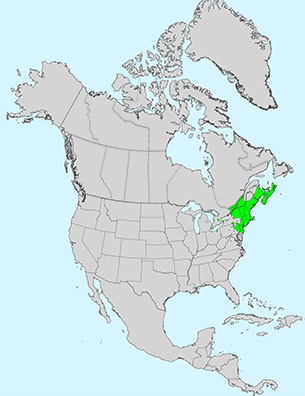
Additional Range Information: Betula populifolia is native to North America. Range may be expanded by planting. Download the full-size PDF map.
More Information: Fall Color
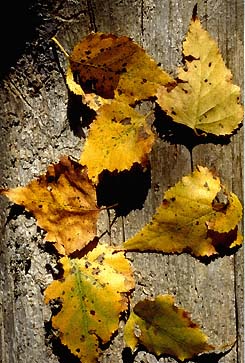
External Links: USDAFS FEIS Silvics - USDA Plants Database - Horticulture Information - USDAFS Forest Products Lab
All material 2025 Virginia Tech Dept. of Forest Resources and Environmental Conservation; Photos and text by: John Seiler, Edward Jensen, Alex Niemiera, and John Peterson; Silvics reprinted from Ag Handbook 654; range map source information