 Virginia Tech Dendrology
red horsechestnut Hippocastanaceae Aesculus
xcarnea Hayne [hippocastanum x pavia]

 symbol: AECA2
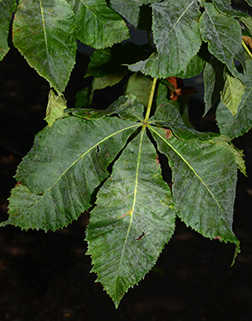
Leaf: Opposite, palmately compound with 5 (sometimes 7), obovate, serrate leaflets each 4 to 6 inches long, dark green above and paler below.
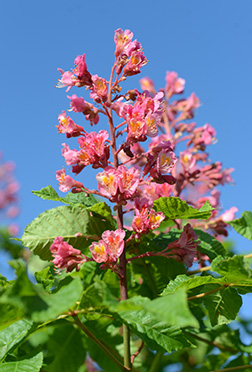
Flower: Beautiful, upright cluster of pink tubular (red in cultivar "Briotii")flowers, each cluster 5 to 8 inches long; appearing in spring.
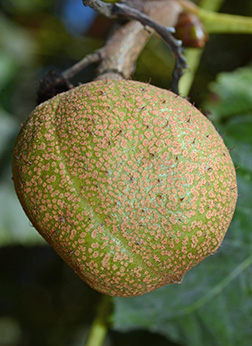
Fruit: Nearly round with thick, leathery somewhat spiny husks enclosing 1 to 3 smooth, chestnut brown seeds; ripening in the fall.
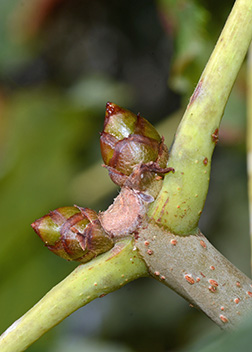
Twig: Stout, light-brown with raised lenticels, large opposite shield-shaped leaf scars, large pointed orange-brown buds are often paired at the ends of twigs.
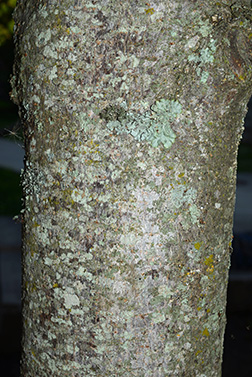
Bark: Splotchy gray-brown, initially smooth but with size will develop scaly patches.
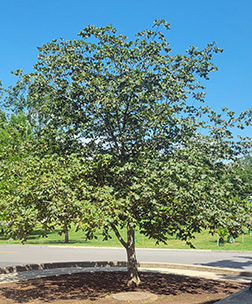
Form: Upright, 30 to 40 feet tall with a round crown.
Looks like: red buckeye
- horsechestnut
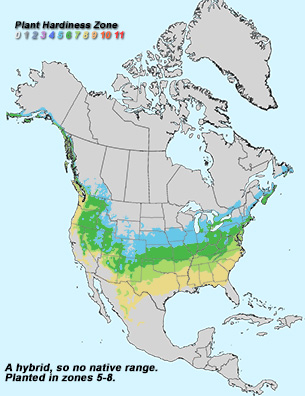
Additional Range Information: Aesculus xcarnea is planted in the USDA hardiness zones shown above and is not known to widely escape cultivaton. Download the full-size PDF map.
External Links: USDA Plants Database - Horticulture Information
All material 2025 Virginia Tech Dept. of Forest Resources and Environmental Conservation; Photos and text by: John Seiler, Edward Jensen, Alex Niemiera, and John Peterson; Silvics reprinted from Ag Handbook 654; range map source information